Articles
Recent Articles

Removal of Resin Acids from Wastewater Improved through Addition of Multiple Bioaugmentation Products
The Treatability Lab is always interested in investigating new applications and expanding the knowledge on the capabilities of EBS’s current bioaugmentation products. Recently, there has been an interest in the ability of these products to help treat wastewaters with...
Free vs Bound Chemical Analysis
The recycle of healthy biological solids is essential to the performance of activated sludge systems. Along with concentrated biomass, inhibitory and toxic chemicals that can cause whole effluent toxicity (WET) testing failures or treatment deficiencies may be...
The Hidden Cost of Poor Primary Clarification
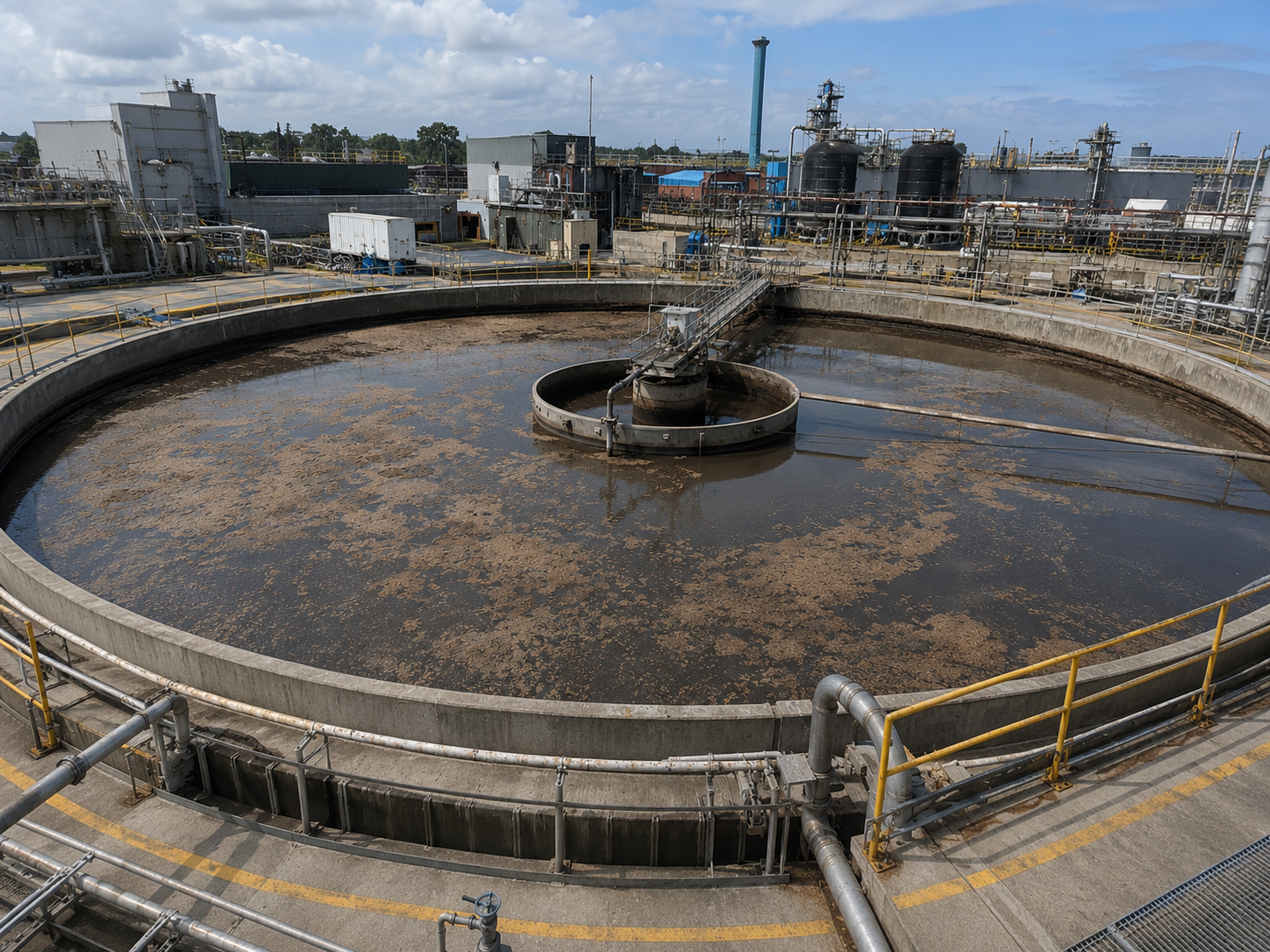
Primary clarifier performance is often overlooked. When TSS and BOD removal are adequate in a wastewater treatment system, then what’s the problem with an inefficient primary clarifier? One of it’s most significant – and costly - impacts is rarely quantified: The...
How Can EBS NitriFire Stabilize Nitrification Rates in the Winter?
Winter's colder temperatures bring a host of operational challenges for wastewater treatment facilities, particularly in the biological nitrification process. This crucial process is responsible for converting ammonia into nitrate and can be significantly impacted by...
Filamentous Bacteria in Aerated Stabilization Basins Part 2
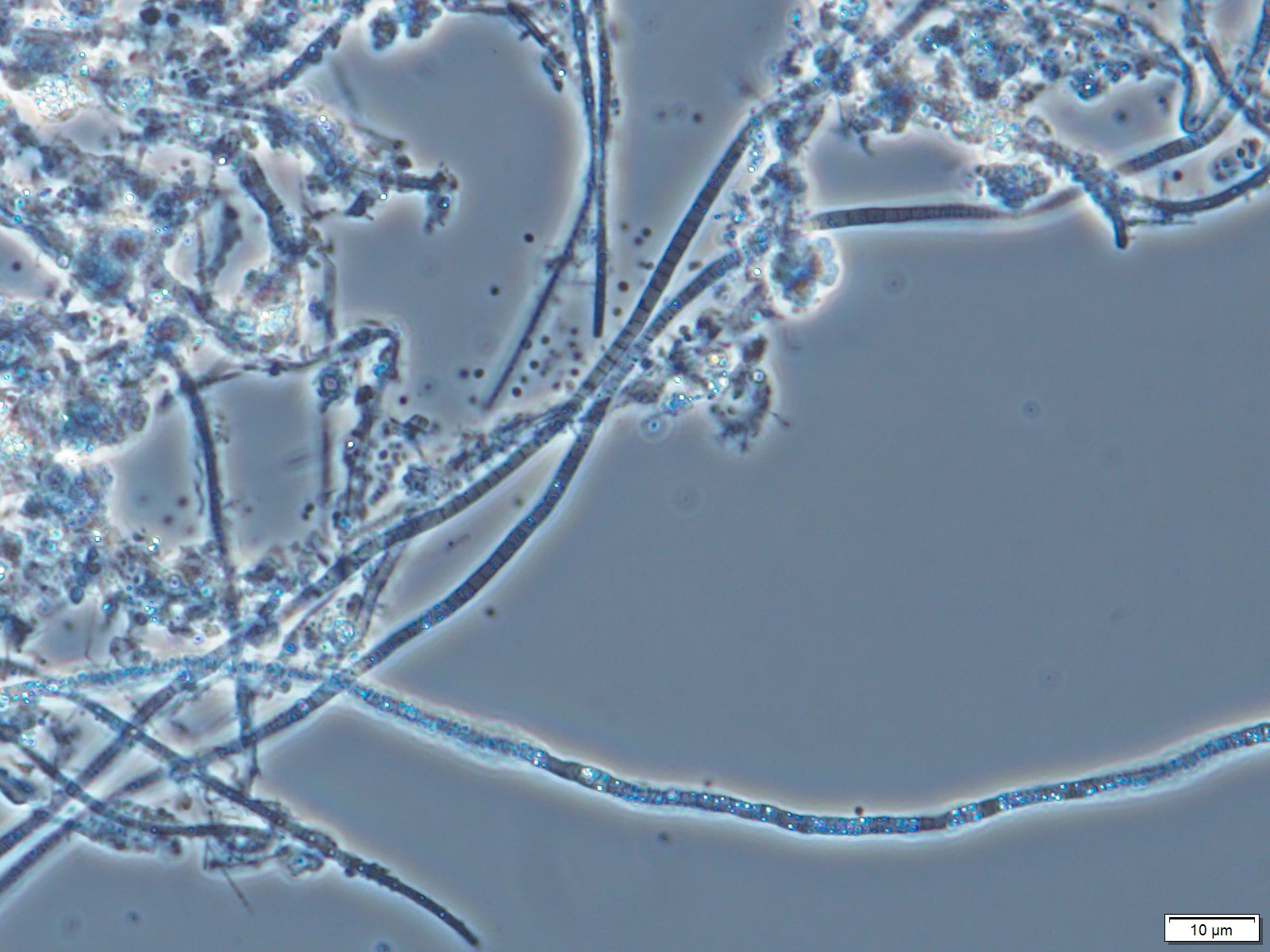
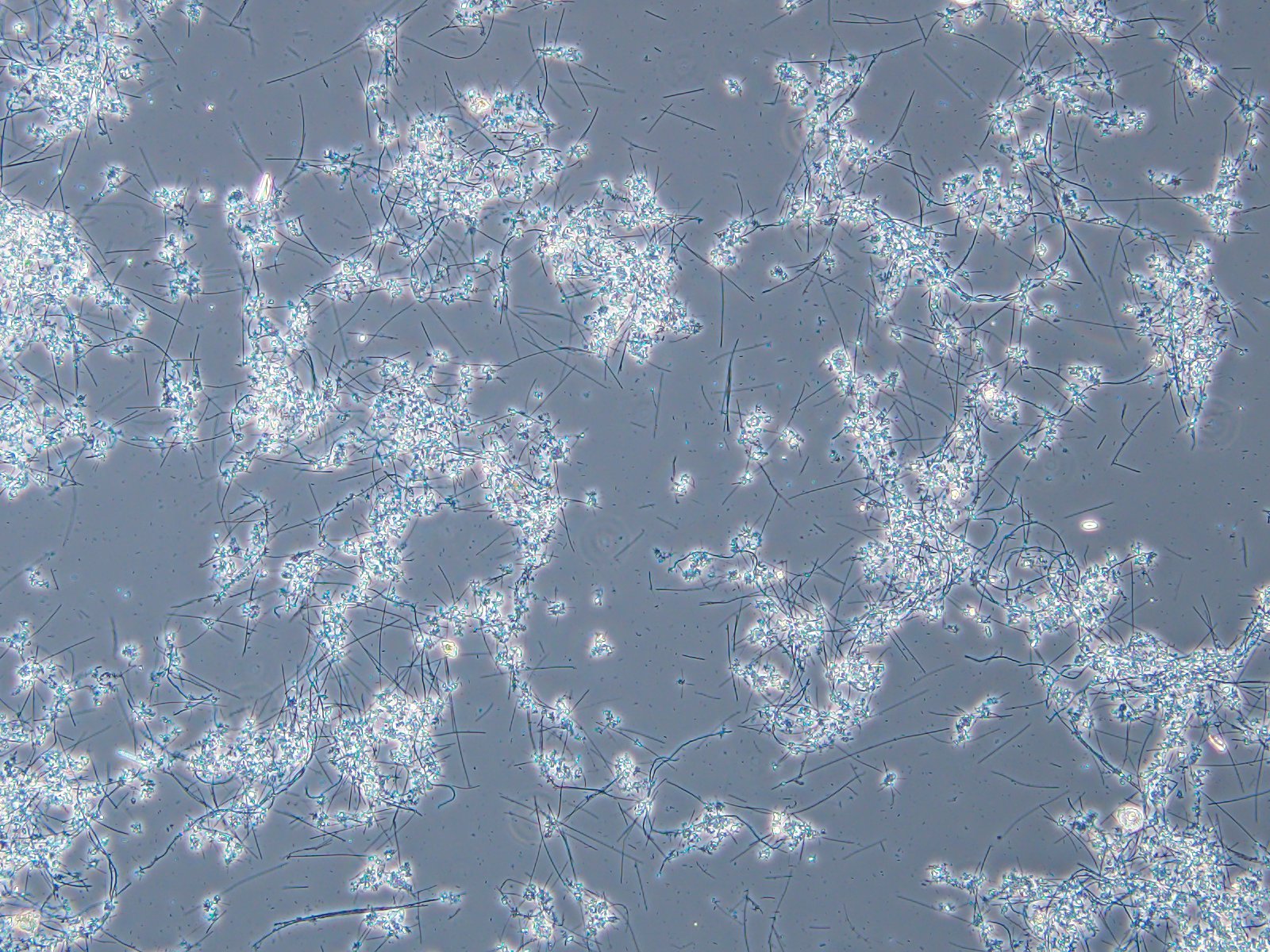
Concern or Curiosity? Part 2 - Thiothrix, Type 021N, and Beggiatoa In part one of this series, we discussed the differences between activated sludge and aerated stabilization basins (ASBs) with regard to filamentous bacteria and filamentous bulking. We also talked...
Filamentous Bacteria in Aerated Stabilization Basins: Part 1
Concern or Curiosity? Part 1 - Haliscomenobacter hydrossis Filamentous bulking has long been the bane of activated sludge operations. Biomass or sludge bulking is generally defined as mixed liquor with a sludge volume index (SVI) of >150 ml/g. However, sludge...
Featured Articles

Storm Preparedness and Recovery Plan
High winds and rain from hurricanes have the potential to damage wastewater treatment facilities leading to long, unplanned outages. As we are in the midst of another hurricane season, it is essential for wastewater management teams to take appropriate measures to...
Improving the Performance of Activated Sludge Systems — An Operator’s Perspective
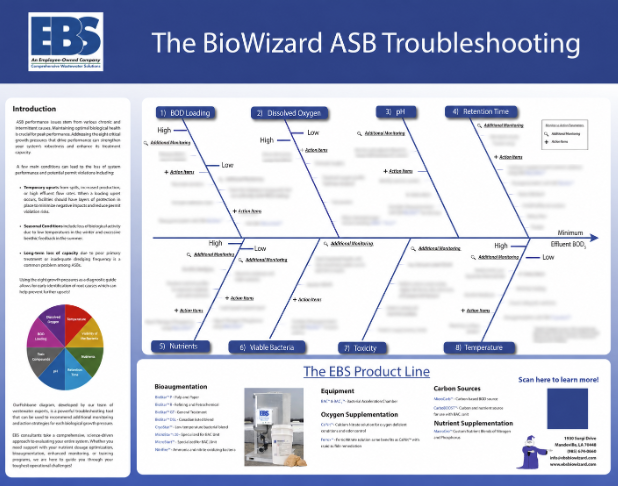
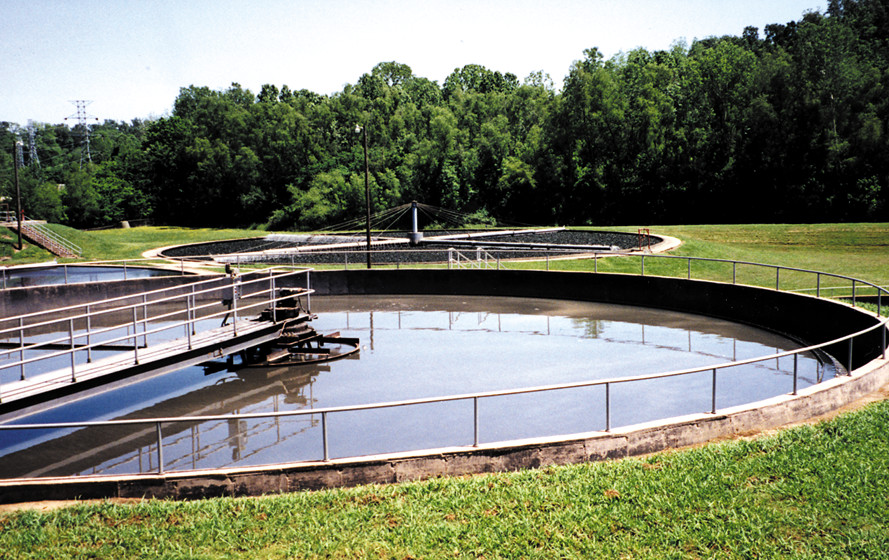
It is generally accepted that aerobic biological treatment systems are robust and stable to the extent that eight key growth pressures are controlled: Organic Loading Dissolved Oxygen Temperature pH Nutrients Retention Time Inhibitory or toxic compounds Biomass --...

Keys to Success Before, During, and After an Outage
Scheduled vs Unplanned Outages There are two types of outages, scheduled and unplanned. Scheduled outages are annual affairs at roughly the same time each year and are used to conduct maintenance or other work that cannot be performed while the plant is in full...
Is Your Chemical Program Impacting Your Wastewater Biology?
Wastewater managers and operators want confidence that their facility’s chemical program will not negatively impact their biological treatment system. Whether you are a chemical supplier or product end user, EBS can assess chemical additives for impacts on...
Odor and H2S Control
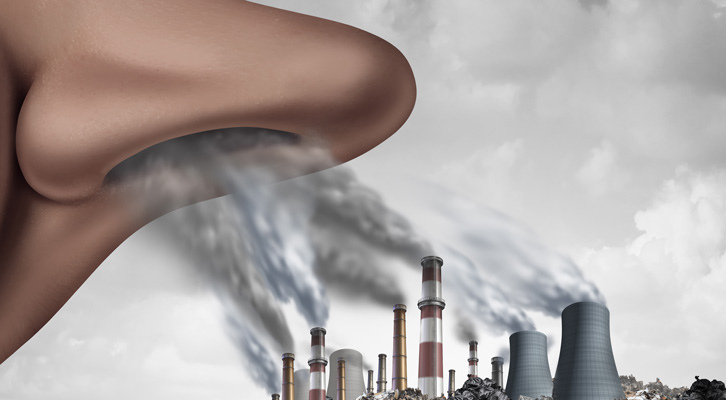
EBS recently assisted a paper mill with odor issues associated with their aerated stabilization basin (ASB) wastewater treatment system. The formation of reduced sulfur compounds (hydrogen sulfide, methyl mercaptan, dimethyl sulfide) occurred in a large unaerated...
Unmanned Surface Vessel (USV) Used to Conduct Hydrographic Surveys
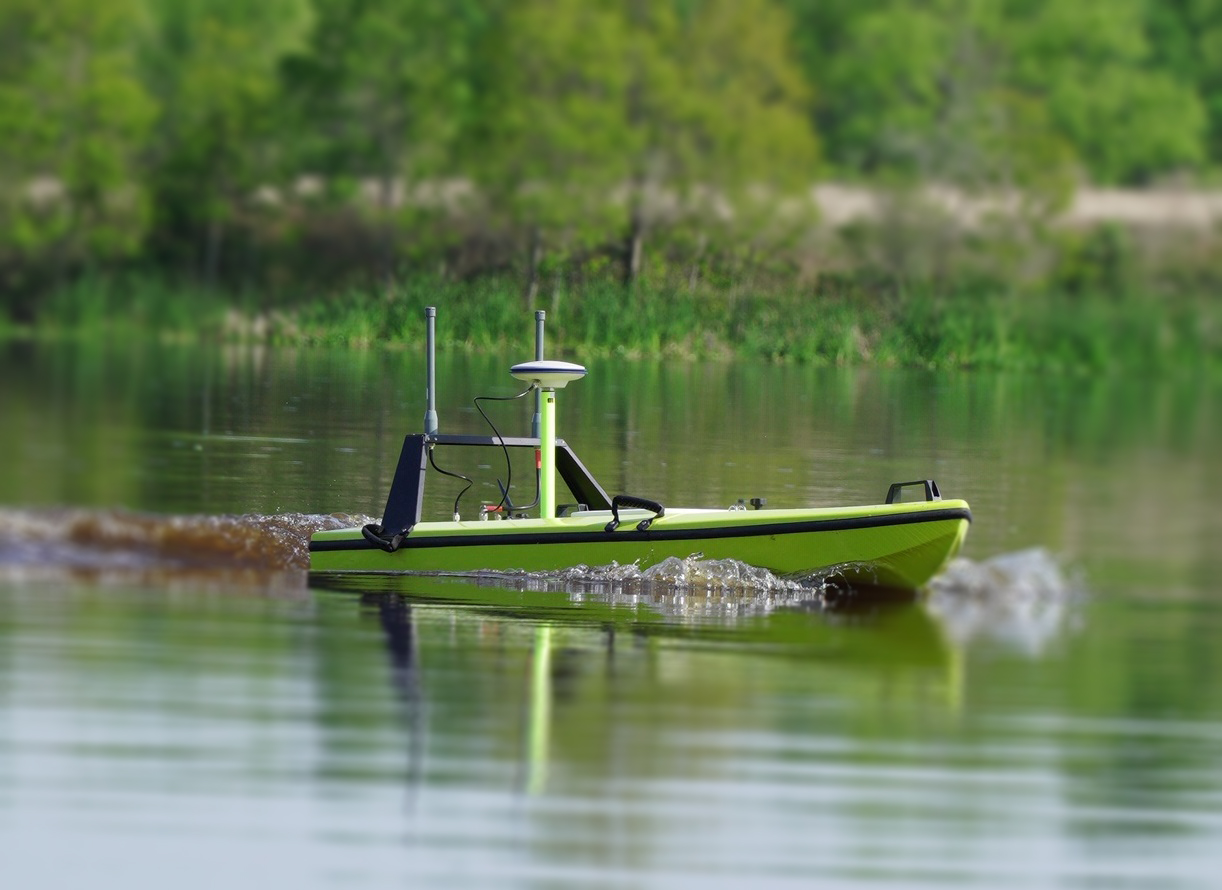
EBS uses an Unmanned Surface Vessel (USV) to conduct Hydrographic Surveys in different bodies of water from clean to wastewater. The USV is equipped with a single beam echo sounder optimized for shallow water hydrographic surveying and a dual-frequency transducer....