Articles
Recent Articles
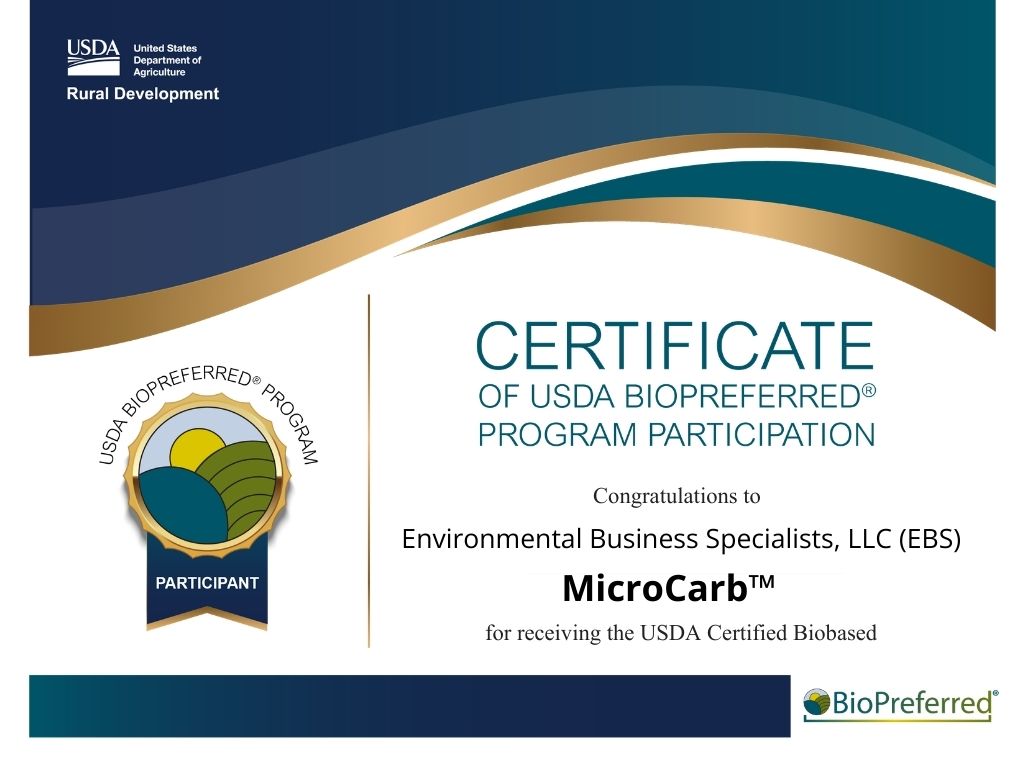
Environmental Business Specialists, LLC Earns USDA Certified Biobased Product Label
FOR IMMEDIATE RELEASE Media Contact: Christina Dietzen Environmental Business Specialists, LLC dietzen@ebsbiowizard.com Environmental Business Specialists, LLC Earns USDA Certified Biobased Product Label Mandeville, LA. Environmental Business Specialists, LLC...
Utilizing Bioaugmentation to Degrade Black Liquor Spills
In the Kraft paper-making process white liquor, which is NaOH (sodium hydroxide) and Na2S (sodium sulfide), is used to “cook” wood chips in a piece of equipment known as the digester. In the digester, the wood chips are “cooked” using high temperature and pressure in...
Flow Cytometry in Wastewater Treatment
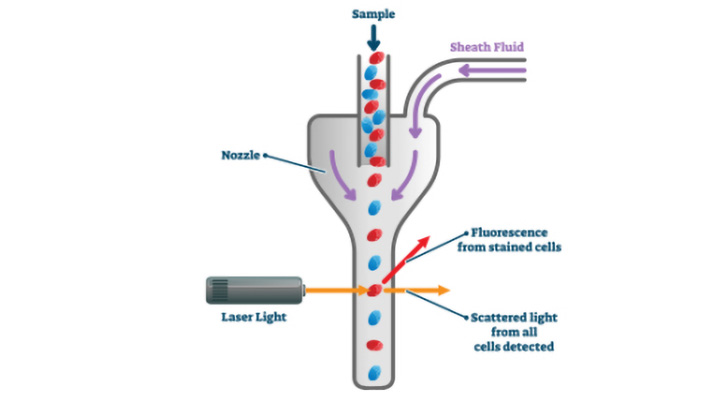
Flow cytometry is a laser-based technology that rapidly analyzes a single cell or particle of interest using fluorescent nucleic acid stains. This powerful tool has been used in the medical field for decades to help advance the understanding of immunology, virology,...
pH Testing in Wastewater Treatment
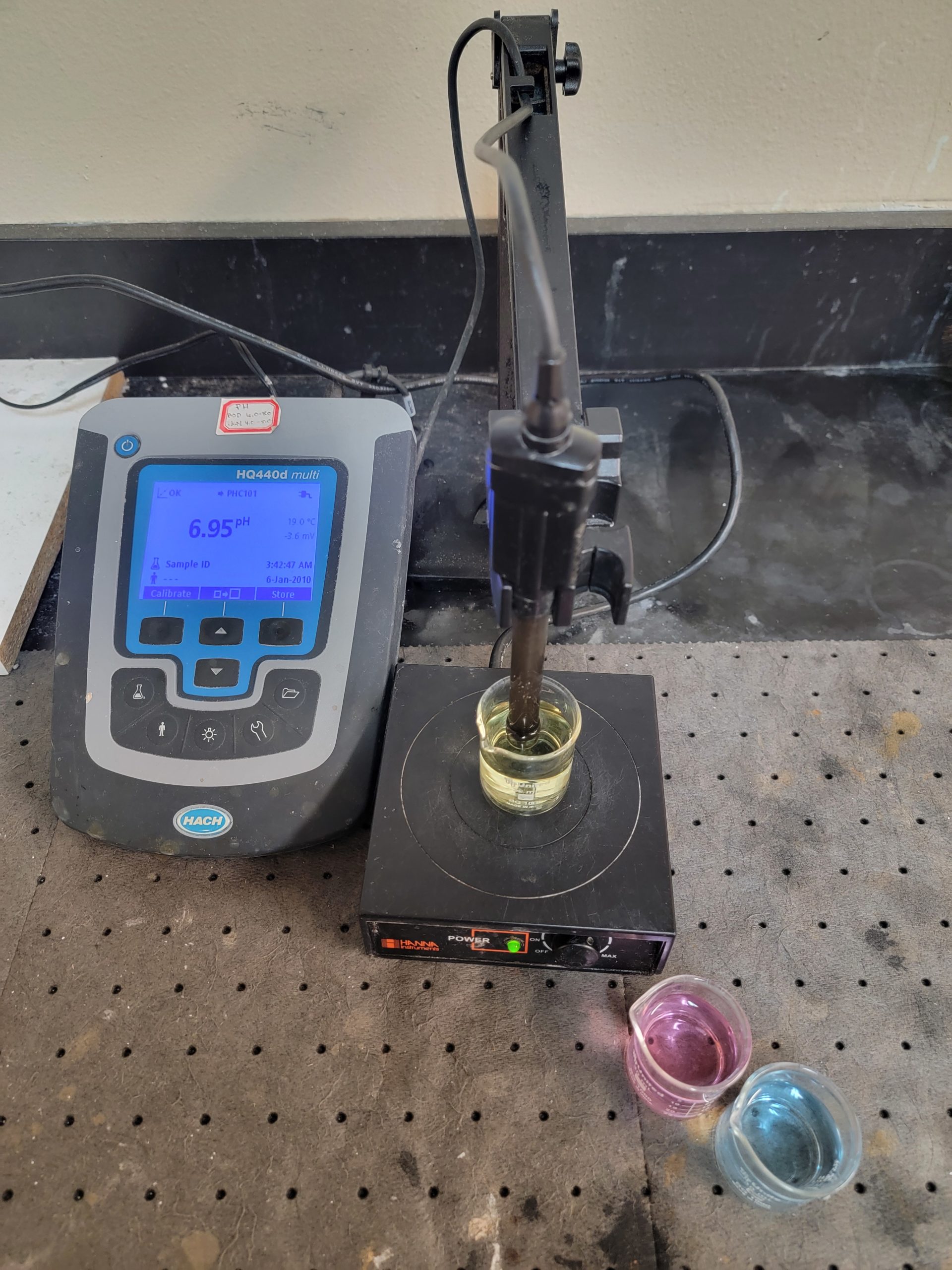
The pH of the environment has a profound effect on the rate of microbial growth. pH affects the function of metabolic enzymes. Acidic conditions (low pH) or basic conditions (high pH) alter the structure of the enzyme and stop growth. Most microorganisms do well...
The Importance of Primary Clarification
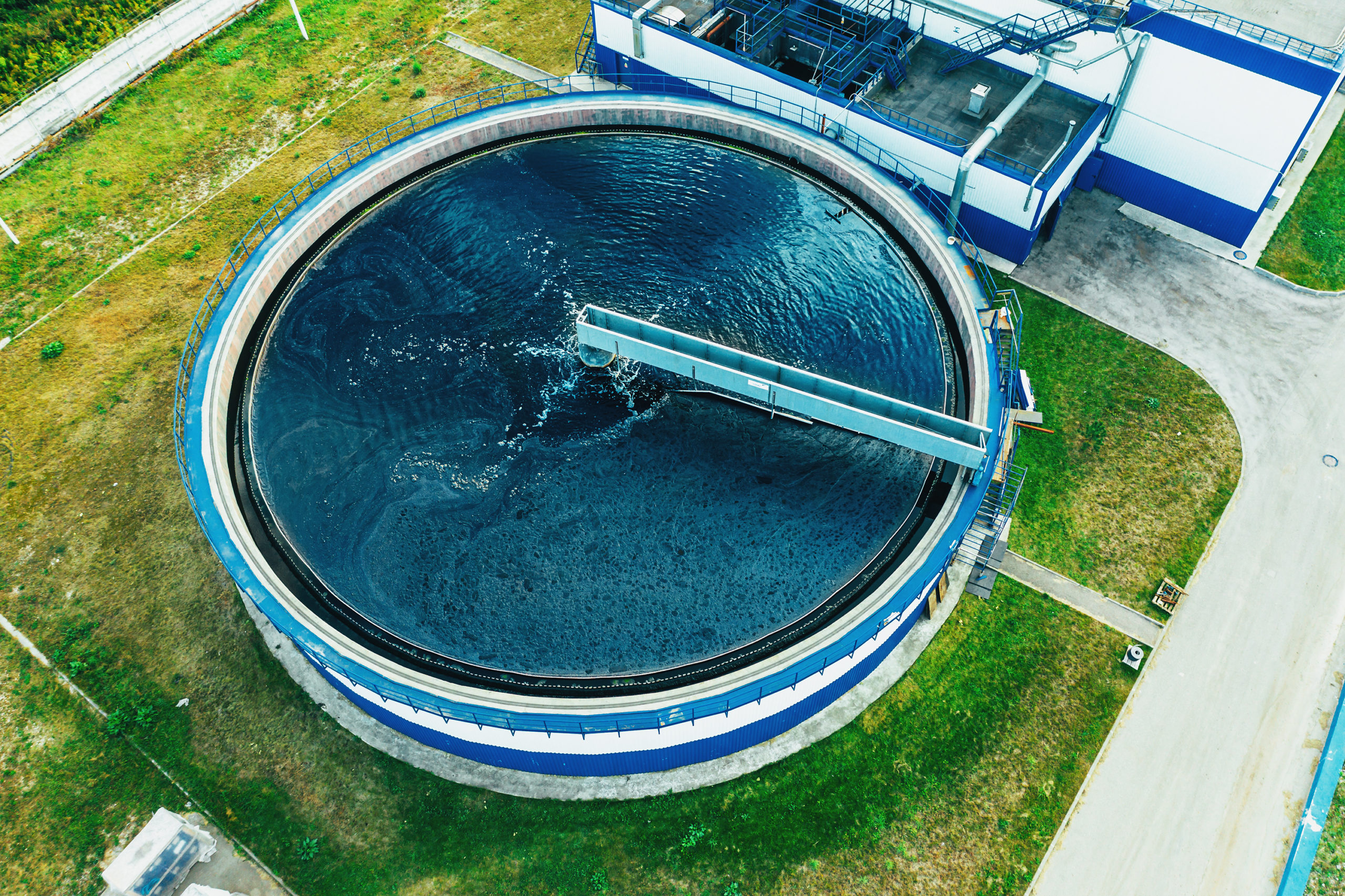
The importance of Primary Clarification and how it can impact Effluent BOD.
Filamentous Bacteria Identification
Useful Tool or Red Herring? Filamentous bulking is a major problem for operators of municipal and industrial activated sludge systems. For the past forty years, renowned scientists, such as Dick Eickelboom, David Jenkins, Glenn Daigger, and Michael Richard have...
Featured Articles
No Results Found
The page you requested could not be found. Try refining your search, or use the navigation above to locate the post.