Articles
Recent Articles
Keys to Success Before, During, and After an Outage
Scheduled vs Unplanned Outages There are two types of outages, scheduled and unplanned. Scheduled outages are annual affairs at roughly the same time each year and are used to conduct maintenance or other work that cannot be performed while the plant/mill is in full...

Storm Preparedness and Recovery Plan
High winds and rain from hurricanes have the potential to damage wastewater treatment facilities leading to long, unplanned outages. As we are in the midst of another hurricane season, it is essential for wastewater management teams to take appropriate measures to...
40-Day Volatile Solids Reduction
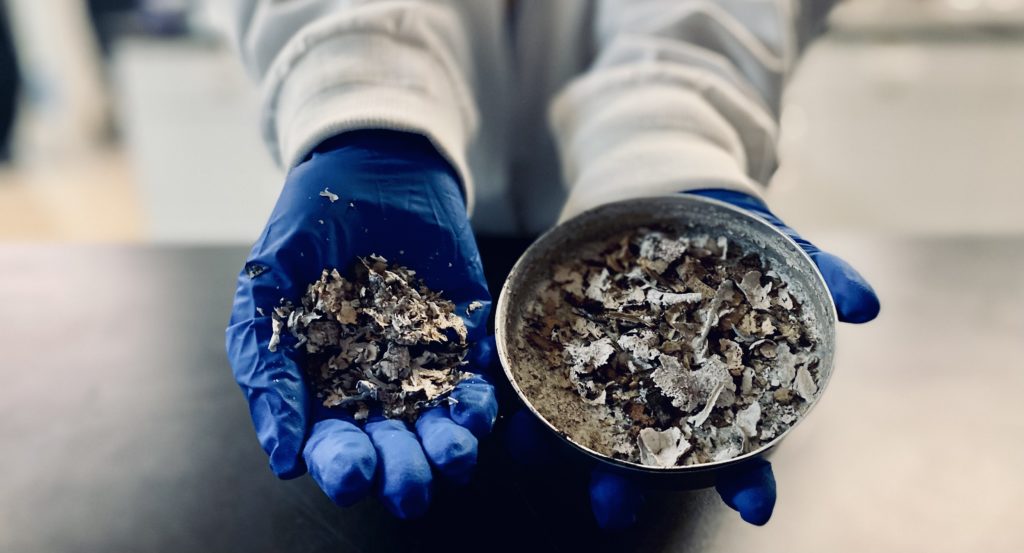
Executive Summary Environmental Business Specialists, LLC (EBS) was contracted by a US pulp and paper mill to conduct a 40-Day bench-scale study of Volatile Solids Reduction based on the Environmental Protection Agency (EPA) part 503 biosolids rule. The goal of this...
How to prepare your WWTP for cold weather
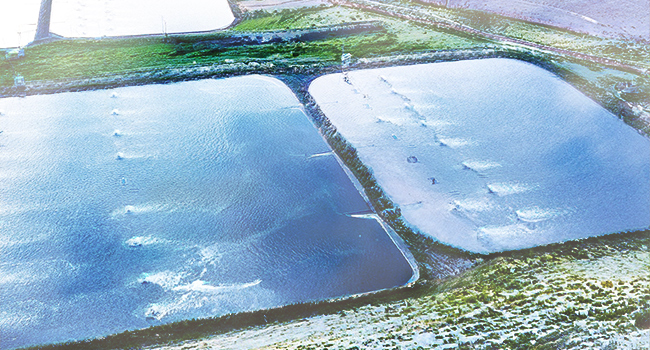
Being proactive during cold weather can noticeably reduce wastewater treatment plant (WWTP) upsets. A reduction in temperature can cause a well-running WWTP to have issues almost overnight. Bacteria do not remove BOD or reproduce as effectively during the colder...
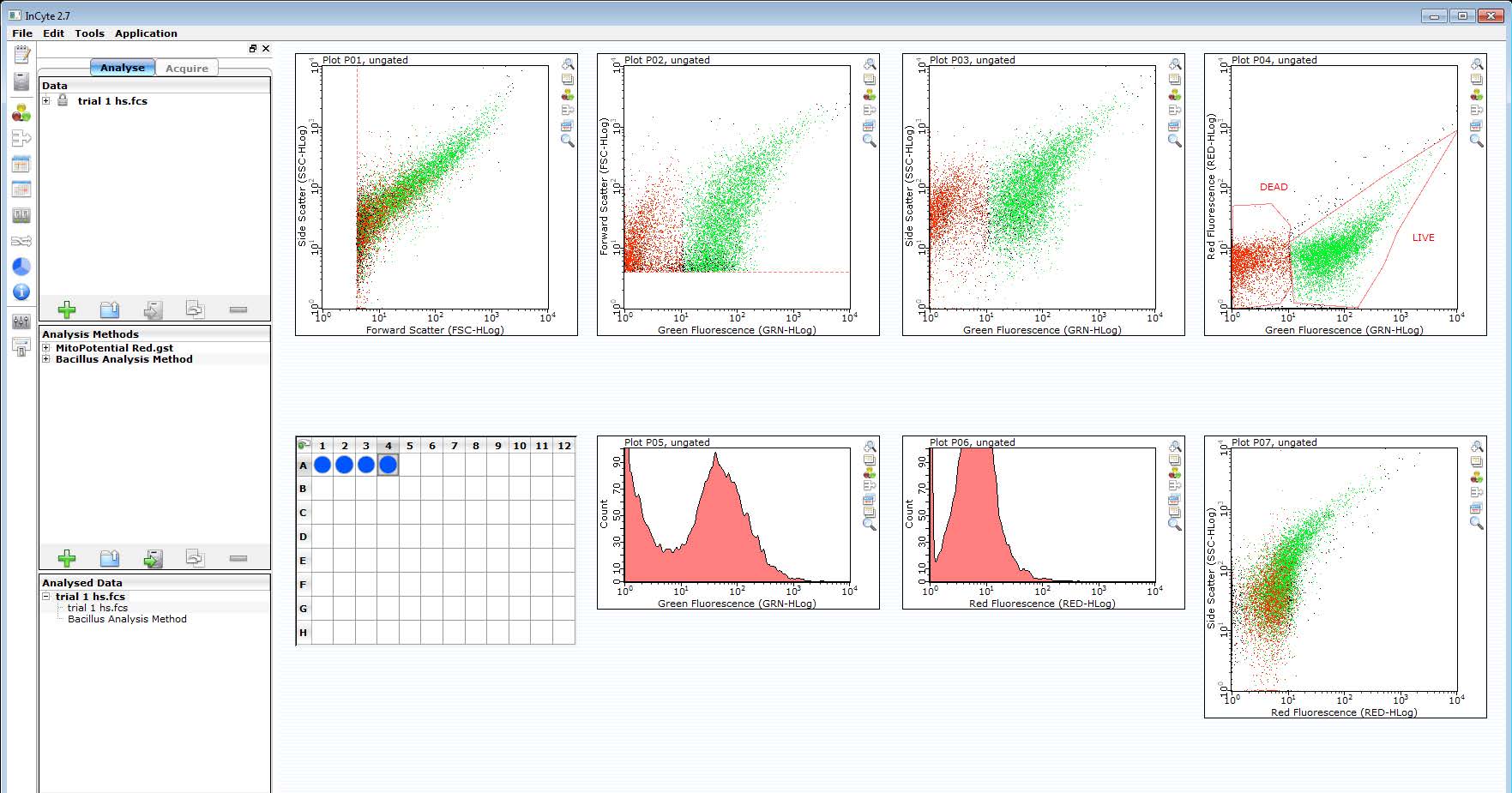
Benefits of Flow Cytometry in Wastewater
A NEW TAKE ON AN OLD MEASUREMENT At Environmental Business Specialists LLC (EBS), we continually search for ways to enhance our laboratory tests to not only suit our diverse client needs but to provide them with more accurate and timely results which they can use to...
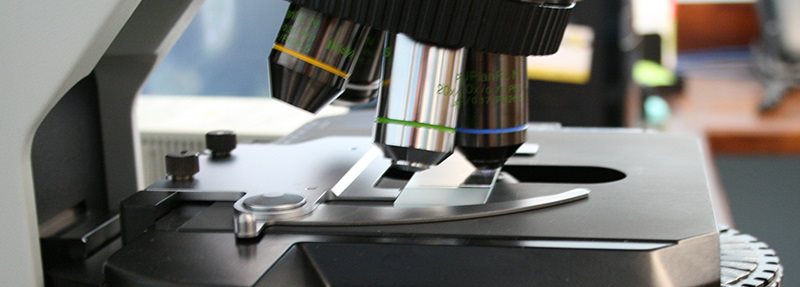
6 Tips for Microscopic Evaluation of your Activated Sludge System
EBS believes that monitoring the microbiology (biomass) of your activated sludge system or aerated stabilization basin (ASB) is just as critical as any other test such as pH, nutrients, total suspended solids (TSS), or chemical oxygen demand (COD). Often, the bacteria...
Featured Articles
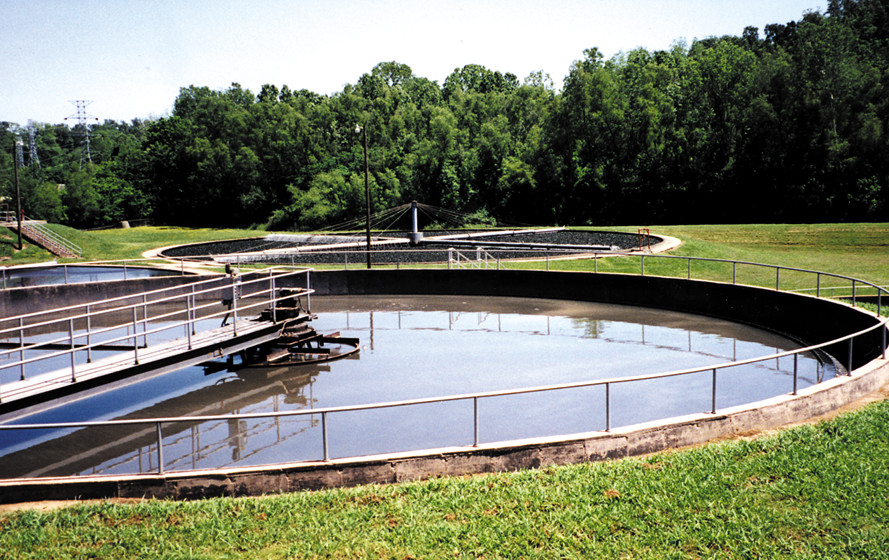
Improving the Performance of Activated Sludge Systems — An Operator’s Perspective
It is generally accepted that aerobic biological treatment systems are robust and stable to the extent that eight key growth pressures are controlled: Organic Loading (BOD or COD) Dissolved Oxygen Temperature pH Nutrients Retention Time Inhibitory or toxic compounds...
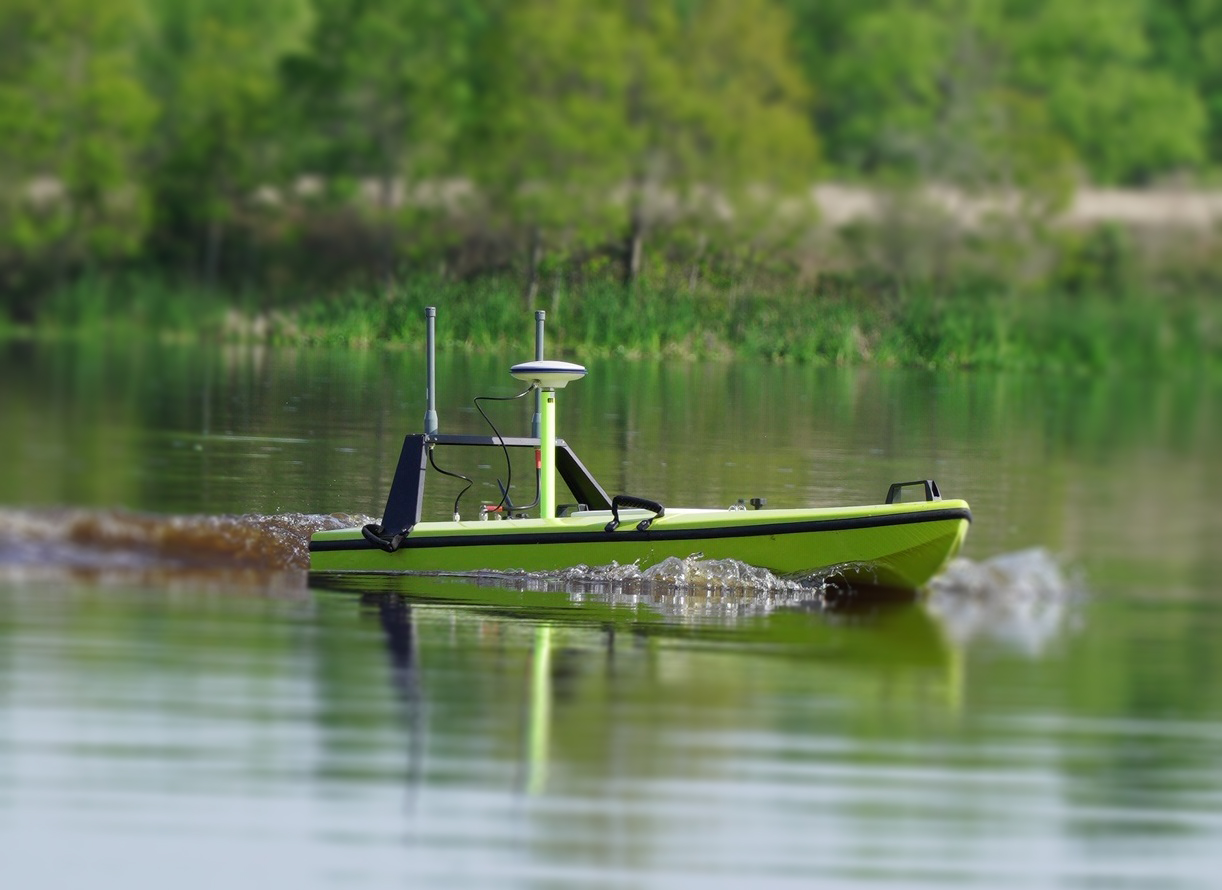
Unmanned Surface Vessel (USV) Used to Conduct Hydrographic Surveys
EBS uses an Unmanned Surface Vessel (USV) to conduct Hydrographic Surveys in different bodies of water from clean to wastewater. The USV is equipped with a single beam echo sounder optimized for shallow water hydrographic surveying and a dual-frequency transducer....
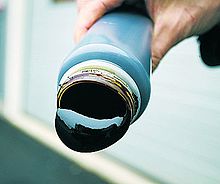
Utilizing Bioaugmentation to Degrade Black Liquor Spills
In the Kraft paper-making process white liquor, which is NaOH (sodium hydroxide) and Na2S (sodium sulfide), is used to “cook” wood chips in a piece of equipment known as the digester. In the digester, the wood chips are “cooked” using high temperature and pressure in...